Category: Buying

  • Will New Tariffs Make Homes More Expensive?

    Will New Tariffs Make Homes More Expensive?

    Tariffs mostly affect the cost of building and fixing homes. When materials like lumber, steel, aluminum and appliances cost more, new homes and remodels get more expensive. Prices for existing homes depend more on mortgage rates, local demand and how many homes are for sale.

    How do tariffs reach home prices?

    Builders pay more for imported materials and often pass some of that cost on. Higher costs can also slow how many new homes get built, and less new supply can support prices for existing homes over time.

    What does it mean for buyers?

    New construction may cost more, and so may repairs and upgrades after you buy. Include renovation costs in your budget, and get contractor quotes before you count on a project.

    What does it mean for sellers?

    A home that is already updated and well maintained can stand out when buyers face higher repair and remodel costs. Pre sale projects may cost more, so focus on the fixes buyers value most.

    Have questions about your plans?

    Call Molly at 206-498-4137, search homes for sale, or check your home’s value.
  • What Are the Hidden Costs of Buying a Home?

    What Are the Hidden Costs of Buying a Home?

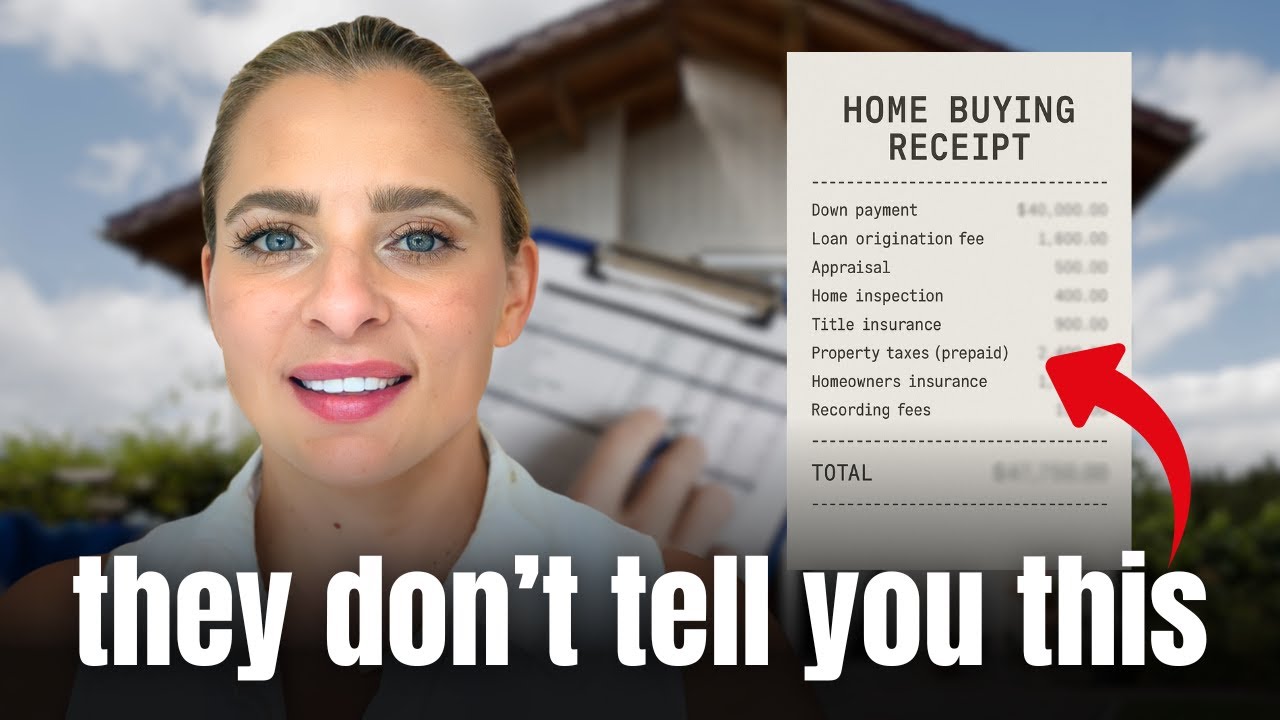
    The down payment is only part of what it costs to buy a home. Buyers also pay closing costs, inspection and appraisal fees, prepaid property taxes and insurance, and moving costs, and then the ongoing costs of owning start. Planning for these up front keeps closing day free of surprises.

    What costs come up before and at closing?

    • Earnest money, a deposit made with your offer that goes toward your purchase.
    • Home inspection and any specialist inspections, such as sewer scope or roof.
    • Appraisal, usually required by your lender.
    • Lender fees for processing and underwriting your loan.
    • Title insurance and escrow fees paid to the title and escrow companies.
    • Prepaid items such as property taxes, homeowners insurance and interest.

    What costs come after I move in?

    Plan for moving, utility setup, HOA dues if the home has them, and regular maintenance. Many owners set aside money each year for repairs, since roofs, water heaters and appliances eventually need replacing.

    How much should I budget for closing costs?

    It depends on your price, loan and lender. Ask your lender for a Loan Estimate early, which lists expected closing costs, and compare estimates from more than one lender.

    Ready to plan your purchase?

    Molly can connect you with trusted lenders and walk you through every cost. Call 206-498-4137 or start your home search.

  • Top Reasons Buyers Cancel a Home Sale

    Top Reasons Buyers Cancel a Home Sale

    Most home sales that fall apart do so for one of a few reasons: the inspection turns up problems, the buyer’s financing falls through, the appraisal comes in low, or the buyer cannot sell their own home in time. Knowing these risks up front helps both sides keep a deal together.

    What are the most common reasons?

    1. Inspection surprises. Roof, foundation, plumbing, electrical or moisture issues the buyer did not expect.
    2. Financing problems. A change in the buyer’s job, credit or debt can stop the loan.
    3. A low appraisal. If the home appraises below the price, the lender will not cover the gap.
    4. Home sale contingency. The buyer’s current home does not sell in time.
    5. Title or disclosure issues. Liens, boundary questions or details the buyer learns late.

    How can sellers prevent a canceled sale?

    Consider a pre listing inspection so there are no surprises, complete your disclosures carefully, and price the home in line with recent sales so it appraises. When offers arrive, look closely at the buyer’s financing and contingencies, not just the price.

    How can buyers protect themselves?

    Get fully preapproved before shopping, avoid new debt or job changes until closing, and read the seller’s disclosures early. Your agent can help you decide which contingencies to keep so you are protected without weakening your offer.

    Want a smoother sale?

    Call Molly at 206-498-4137, check your home’s value, or search homes for sale.

  • How to Use a Bridge Loan to Buy a New Home Before Selling

    How to Use a Bridge Loan to Buy a New Home Before Selling

    A bridge loan is a short term loan that uses the equity in your current home to help you buy your next one before the first home sells. It can let you make an offer without a home sale contingency, which makes your offer more attractive to sellers.

    How does a bridge loan work?

    The lender advances money against the equity in the home you own, and you use it toward the down payment on the new home. When your current home sells, the sale proceeds pay off the bridge loan. These loans usually run for months, not years.

    Who is a bridge loan good for?

    It suits homeowners with solid equity who have found their next home and do not want to wait or move twice. It is common for move up buyers and for people downsizing who want to settle into the new place before listing.

    What are the costs and risks?

    • Bridge loans often carry higher rates and fees than a standard mortgage.
    • You may carry two housing payments until the first home sells.
    • If your home takes longer to sell than planned, the costs add up.

    What are the alternatives?

    Ask your lender to compare a bridge loan with a home equity line of credit, an offer contingent on selling your home, or selling first and renting for a short time. The right choice depends on your equity, your income and how competitive the market is.

    Planning a move up or a downsize?

    Molly can help you time the purchase and the sale and connect you with trusted lenders. Call 206-498-4137, check your home’s value, or search homes for sale.

  • 6 Key Questions to Ask Before Hiring a Real Estate Broker

    6 Key Questions to Ask Before Hiring a Real Estate Broker

    Before you hire a real estate broker, ask about their local experience, how they price homes, how they market or search, how they communicate, who on their team does the work, and what past clients say. The answers show you how they will handle your move, not just how they present themselves.

    What should I ask?

    1. How well do you know this area? Ask about recent sales near you and what is moving homes in your neighborhood right now.
    2. How do you set a price or write an offer? A good answer points to recent sales, active listings and current demand, not a guess.
    3. What is your plan for my home or my search? Sellers should hear about photos, preparation and where buyers will see the listing. Buyers should hear how you will find homes and compete for them.
    4. How and how often will we talk? Agree on calls, texts or email and how quickly you can expect a reply.
    5. Who will I work with day to day? On a team, know who handles showings, paperwork and negotiation.
    6. What do past clients say? Read reviews and ask for a recent client you can call.

    Should I interview more than one broker?

    It helps to talk with two or three. Comparing answers side by side makes it clear who understands your goals and who has a real plan. Also read the agreement before you sign it, so you understand the length, the services and how the broker is paid.

    Want to ask Molly these questions?

    Call Molly at 206-498-4137 or send the team a message. You can also meet the team.